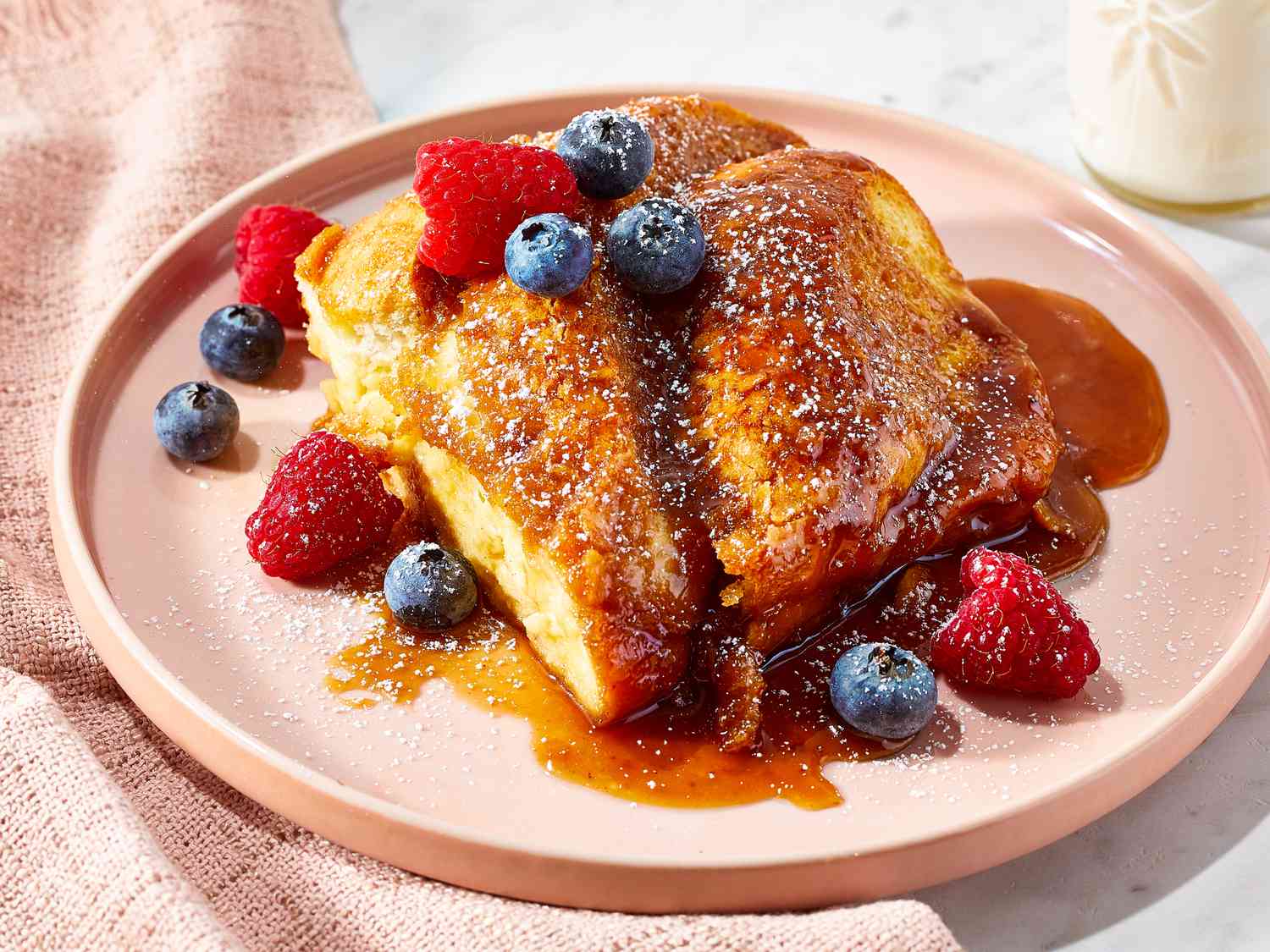
Baked French Toast: Your Ultimate Brunch Game Changer
Imagine a leisurely Sunday morning, the aroma of cinnamon and warm bread wafting through your home, and a sumptuous brunch spread ready to enjoy with minimal fuss. This isn't a dream – it's the reality of mastering a truly exceptional baked French toast recipe. Far from the stovetop scramble, baked French toast offers a glorious combination: a delightfully custardy interior, perfectly soaked with a rich egg mixture, crowned with a irresistible, golden-brown streusel that shatters with every bite. It’s the ultimate make-ahead dish, transforming hectic mornings into effortless celebrations.
Whether you're hosting a crowd or simply craving a comforting start to your day, this comprehensive guide will walk you through every step, from selecting the right bread to achieving that coveted balance of soft, custardy goodness and crisp, aromatic topping. Get ready to elevate your brunch game and discover why baked French toast is destined to become your new go-to.
Why Baked French Toast is Your Brunch MVP
Traditional French toast, while delicious, often ties the cook to the stove, flipping slice after slice. The beauty of baked French toast lies in its incredible convenience and ability to deliver consistent perfection. Here’s why it’s a true brunch superstar:
- Effortless Make-Ahead Magic: The genius of this dish is its overnight rest. As highlighted in Ree Drummond's Make-Ahead Baked French Toast for Easy Brunch, the bread soaks up the rich custard mixture while you sleep, ensuring a deep, uniform flavor and that signature custardy texture. No more rushing in the morning; simply pull it from the fridge and bake.
- Feeds a Crowd with Ease: Say goodbye to feeling like a short-order cook. A single 9x13-inch casserole dish can easily serve a large family or a group of friends, allowing you to enjoy your guests (and your coffee!) rather than being tethered to the pan.
- Superior Texture Profile: Unlike pan-fried versions that can sometimes be dry, baked French toast offers an unparalleled contrast. The long, slow bake allows the center to become incredibly soft and pudding-like, while the streusel topping (and the exposed edges of bread) crisp up beautifully.
- Customizable and Versatile: From different bread types to an array of toppings and mix-ins, a baked french toast recipe is incredibly adaptable, allowing you to tailor it to your exact preferences.
Crafting the Perfect Baked French Toast: A Step-by-Step Guide
Achieving that ideal balance of custardy center and crispy streusel starts with understanding a few key principles. Let's break down the elements that make this dish truly special.
1. Choosing Your Bread Wisely: The Foundation of Flavor
The bread is the unsung hero of any great French toast. For a baked version, the right choice is paramount to avoiding a soggy disaster and ensuring that glorious custardy interior.
- Opt for Crusty, Day-Old Bread: Forget flimsy sandwich bread. Reach for hearty loaves like sourdough, French bread, challah, or brioche. These breads have a robust structure that holds up well to soaking.
- The Day-Old Advantage: Using bread that's a day or two old is crucial. Stale bread is slightly drier, which allows it to absorb the egg custard more effectively without falling apart. This absorption is the secret to a soft, custardy center that isn't watery or mushy.
- Preparation: Cut your chosen loaf into 1-inch cubes or thick slices (about 12 slices for a 9x13-inch dish). Ensure the pieces are relatively uniform for even soaking and baking.
2. The Secret to a Rich and Flavorful Custard
The egg custard is what transforms simple bread into a decadent brunch experience. Ree Drummond's recipe provides an excellent blueprint for a truly luxurious mixture:
- Eggs are Key: Whisk a generous amount of eggs to create the base of your custard. These will set up during baking, giving the French toast its structure.
- Dairy for Decadence: A blend of whole milk and heavy cream is essential for richness. The higher fat content of heavy cream contributes to an incredibly luscious, melt-in-your-mouth texture that standard milk alone can't achieve.
- Nuanced Sweetness & Aroma: Incorporate both white and brown sugar. White sugar contributes classic sweetness, while brown sugar adds a deeper, molasses-like flavor and aids in caramelization. A generous splash of vanilla extract is non-negotiable for that warm, inviting aroma and flavor. Some recipes also include a pinch of salt to balance the sweetness.
- The Pour: Once whisked until well combined, gently pour this flavorful custard over your prepared bread in the baking dish, ensuring every piece is coated.
3. The Overnight Magic: Preventing Soggy French Toast
This step is non-negotiable for a truly superior baked French toast. As we explored in Stress-Free Overnight Baked French Toast: Your Ultimate Brunch Hack, the resting period is where the magic happens.
- Soak it Up: After pouring the custard over the bread, tightly cover your baking dish with plastic wrap or foil.
- Refrigerate Overnight (or at least 8 hours): This extended soaking time allows the bread to fully absorb the custard. This deep absorption is critical for preventing a soggy bottom and guaranteeing that the center bakes up beautifully soft and custardy, rather than dry or uncooked.
4. The Irresistible Streusel Topping
What sets this baked French toast apart is the crunchy, aromatic streusel topping. It provides a textural contrast that elevates the entire dish.
- Classic Streusel Ingredients: Combine all-purpose flour, brown sugar (for its rich flavor and moisture), ground cinnamon, a touch of freshly grated nutmeg (for extra aromatic depth), a pinch of salt to balance, and crucially, cold butter.
- Achieving the Right Texture: Use your fingertips, a pastry blender, or a food processor to cut the cold butter into the dry ingredients until the mixture resembles coarse crumbs or small pebbles. The cold butter is key to creating that delightful crumbly texture that crisps up beautifully in the oven.
5. Baking for Your Preferred Texture
Your desired texture will dictate your baking time. Preheat your oven to 350°F (175°C).
- Uncovered is Best: Bake the French toast casserole uncovered. This allows the streusel topping to get wonderfully crunchy and caramelized, and the bread to achieve a lovely golden hue.
- Softer vs. Firmer: For a softer, more bread-pudding-like texture, bake for approximately 45 minutes. If you prefer a firmer, crisper texture with more chew, extend the baking time to about 1 hour. In both cases, look for a golden-brown top and a custardy center that has set.
Elevating Your Baked French Toast Experience: Toppings & Sides
Once your baked French toast emerges golden and fragrant from the oven, the fun continues with an array of delectable toppings and complementary sides.
Classic & Creative Toppings:
- Pure Maple Syrup: The quintessential partner, warmed for extra luxury.
- Fresh Fruit: Berries (blueberries, raspberries, strawberries), sliced bananas, or peaches add freshness and a touch of tang.
- Powdered Sugar: A simple dusting provides an elegant finish and a hint of sweetness.
- Whipped Cream: A dollop of freshly whipped cream adds richness and a cloud-like texture.
- Butter & Jam: A pat of salted butter and a spoonful of your favorite fruit jam or preserves.
- Beyond the Basics: Consider a drizzle of caramel or chocolate sauce, toasted nuts (pecans, walnuts), or even a sprinkle of toasted coconut flakes for an extra layer of flavor and texture.
Complementary Brunch Sides:
To create a truly spectacular brunch spread, pair your baked French toast with classic breakfast sides:
- Fruit Salad: A vibrant fruit salad, perhaps with an orange-vanilla syrup, offers a refreshing counterpoint to the richness of the French toast.
- Savory Proteins: Crispy bacon (try a maple-pepper bacon for an extra kick!), breakfast sausage, or a simple scramble of eggs.
- Hearty Potatoes: Hashbrowns or a cheesy hashbrown casserole are always welcome additions.
Tips for Success & Troubleshooting
Even with a foolproof baked french toast recipe, a few extra tips can ensure perfection every time:
- Don't Rush the Soak: The overnight refrigeration truly is essential. If you absolutely cannot wait, a minimum of 4-6 hours will still yield good results, but overnight is superior.
- Even Bread Distribution: Arrange your bread cubes or slices evenly in the dish. Don't pack them too tightly, as this can hinder even soaking and baking.
- Cold Butter for Streusel: Always use very cold butter, cut into small pieces, for your streusel. This prevents it from melting too quickly and creates those desirable crumbly pebbles.
- Know Your Oven: Ovens can vary. If your French toast isn't browning as desired, try moving it to a higher rack or extending the baking time by a few minutes, keeping an eye on it.
- Serving Temperature: While delicious warm, baked French toast can also be served at room temperature, making it even more versatile for gatherings.
Conclusion
The baked french toast recipe is more than just a breakfast dish; it’s a celebration of comfort, convenience, and culinary delight. With its irresistible custardy interior, crispy streusel topping, and the magic of make-ahead preparation, it transforms any brunch into a relaxed and memorable occasion. By following these steps and incorporating our tips, you'll master this beloved classic, ready to impress family and friends alike. So, gather your ingredients, prepare for an overnight transformation, and get ready to indulge in the ultimate stress-free, show-stopping brunch.
